Clear diagnosis. Thoughtful treatment. A plan that fits your life.
As a provider of orthopedic specialist services in North Idaho, Dr. Mike Schicker focuses on helping patients understand what is happening in their body and what can realistically improve it, before deciding on the right next step.
If you are unsure which service applies to you, that is completely normal. You can explore any service in more detail, or book a consultation and let Dr. Schicker guide you based on your symptoms, lifestyle, and goals.
For pain, numbness, weakness, tendon problems, trigger finger, carpal tunnel symptoms, arthritis, and injuries that interfere with everyday tasks. Treatment may involve in-office procedures, tart, or surgery when that is the most reliable solution.
Fracture Repair
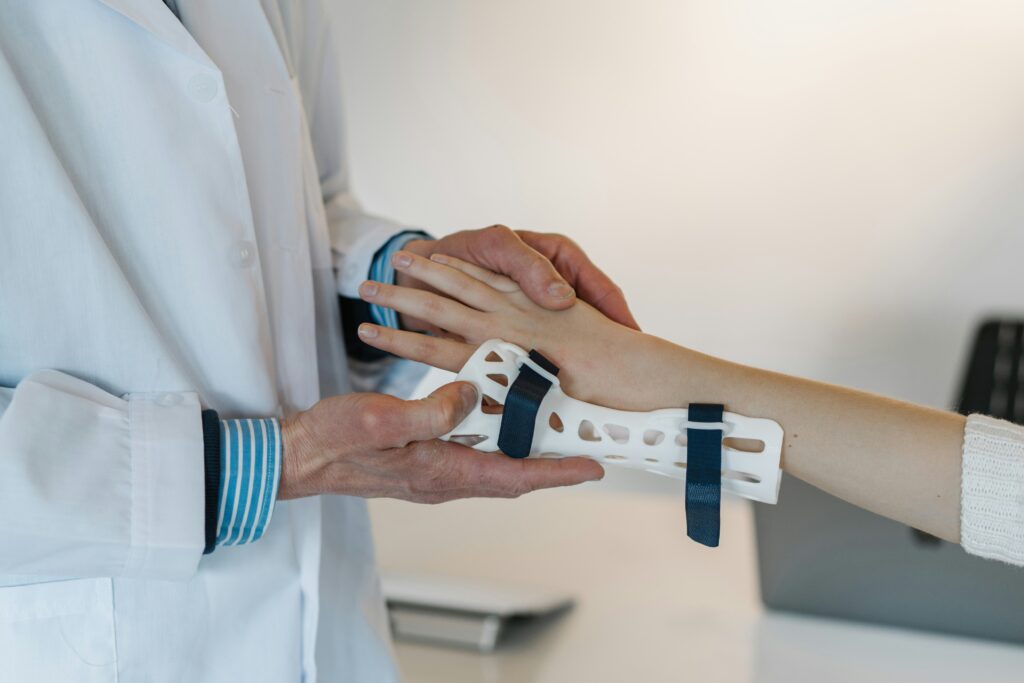
For broken bones and traumatic injuries that require accurate alignment and stable healing. Care is focused on restoring strength and movement, protecting long term function, and supporting a safe return to work and daily activity.
Joint Replacement
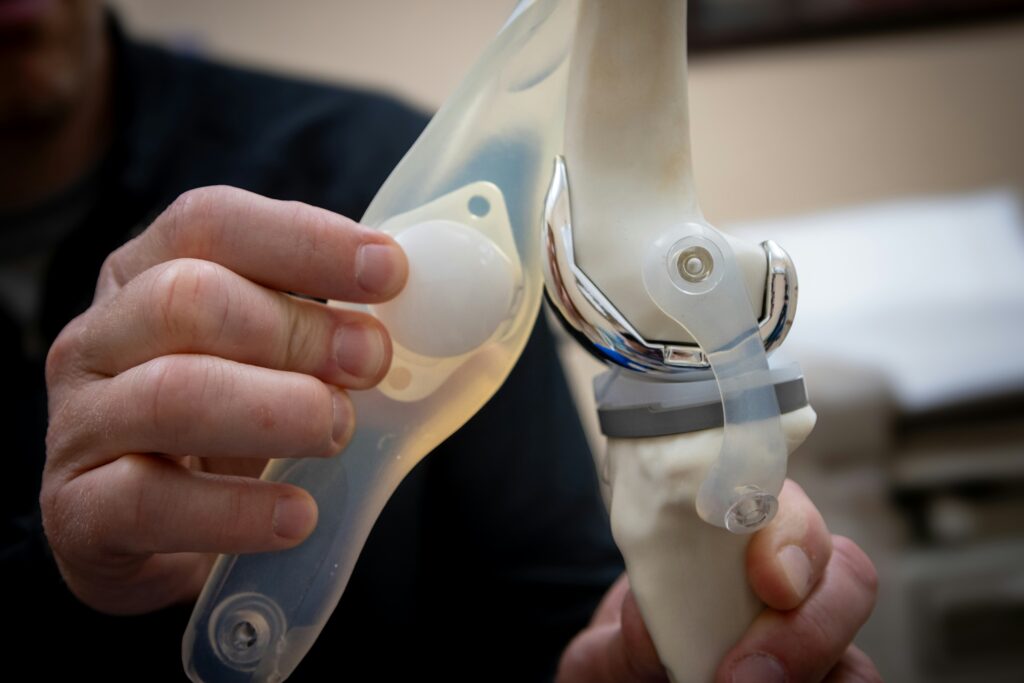
For ongoing hip pain and advanced joint damage when conservative treatment has not provided enough relief. Dr Schicker will help you understand whether joint replacement is appropriate, what results you can expect, and how recovery typically unfolds.
Sports Medicine
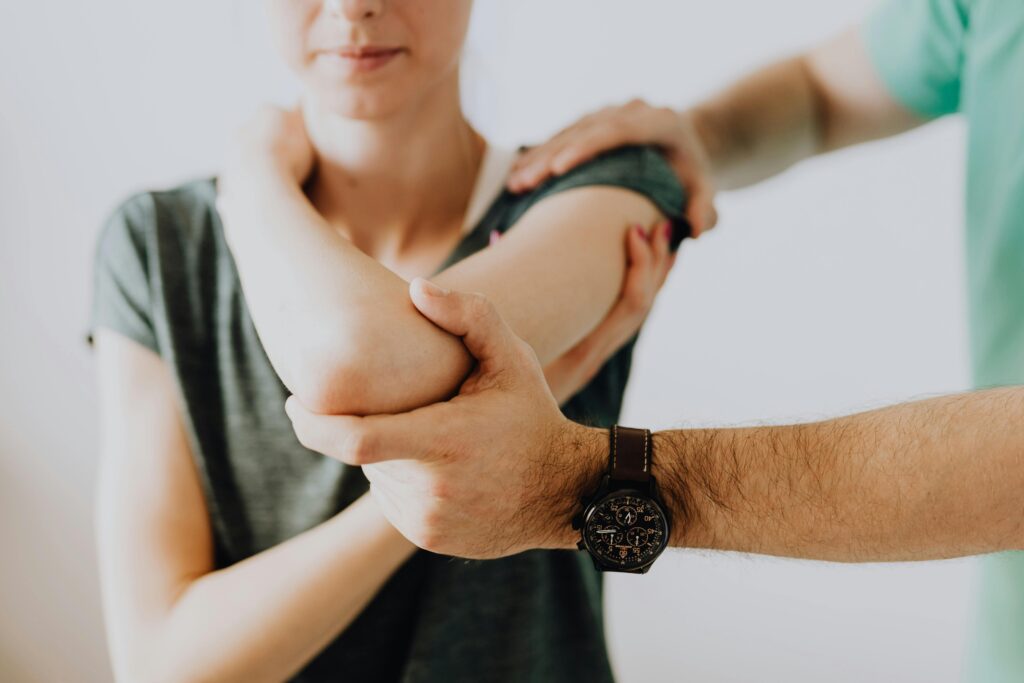
For ligament injuries, cartilage damage, tendon pain, overuse conditions, and acute injuries, from recreational activity to competitive sport. The aim is to reduce pain, rebuild strength, and return you to movement using the least invasive approach that makes sense.
Orthopedic Peptide Therapy
For selected patients interested in regenerative focused treatment as part of a wider recovery plan. Dr Schicker will advise whether peptide therapy is suitable for your condition and how it may work alongside rehabilitation, injection therapies, or surgery when needed.
PRP Orthopedic Treatment
For patients seeking a biologic approach to healing using platelet rich plasma. PRP may be considered for certain tendon, ligament, and joint conditions as part of a personalised treatment plan. Dr Schicker will explain whether PRP is appropriate for your symptoms and what level of improvement is realistic.
Q & A
What to Expect
You do not need to self diagnose before booking. Most patients begin with a consultation, a careful exam, and imaging if appropriate. From there, Dr. Schicker explains the findings in plain language and talks you through the available options, from guided non-surgical treatment to outpatient surgery when that offers the best outcome.