Core Surgical Specialties
Orthopedic Peptide Therapy to Support the Body’s Natural Healing Process
Most patients are familiar with treatments that reduce pain or repair injury. Fewer are aware of therapies designed to influence how the body heals at a cellular level.
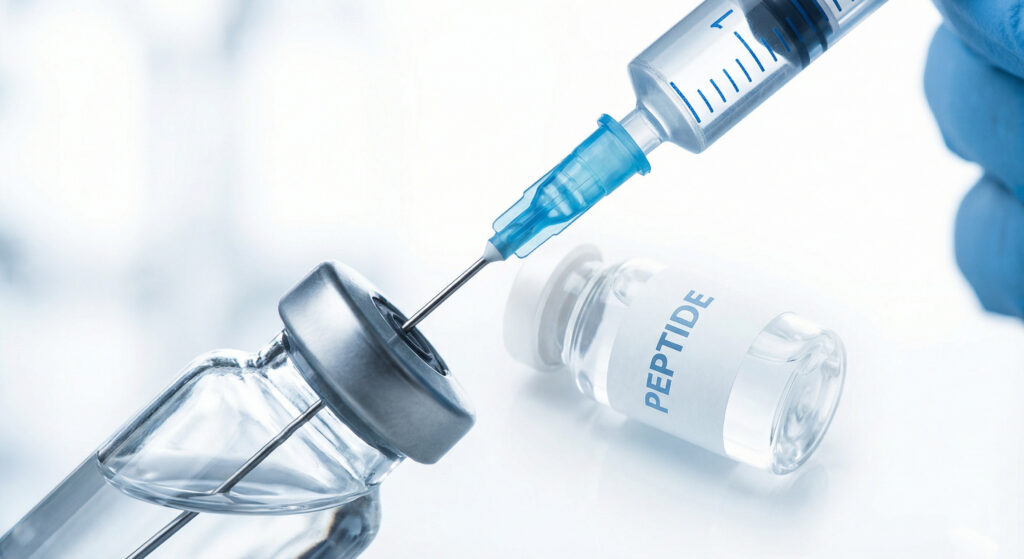
Orthopedic peptide therapy takes this approach, using targeted compounds to support tissue repair in muscles, tendons, and joints.
Dr. Schicker helps patients understand whether this form of treatment is relevant to their condition and how it compares to other available options.
Serving /// Coeur d’Alene, Post Falls, Hayden, Sandpoint
When Orthopedic Peptide Therapy May Be Recommended
When Recovery Has Plateaued
Some injuries improve initially but then reach a point where progress slows. Strength, mobility, or function may not return as expected despite appropriate rehabilitation.
When Healing Needs Additional Support
Patients recovering from injury or surgery may look for ways to support tissue repair beyond standard treatment, particularly when returning to activity is a priority.
A Longer-Term Strategy Is Needed
Orthopedic peptide therapy is typically used as part of a structured plan over time, rather than a single intervention, to support ongoing healing and recovery.
How peptide therapy differs from other treatments
Unlike injections or surgical procedures, orthopedic peptide therapy is not designed to directly repair tissue. Instead, it works by influencing the biological signals that guide healing.
Peptides are short chains of amino acids that occur naturally in the body and play a role in regulating repair processes.
Dr. Schicker explains this distinction clearly, helping patients understand when peptide therapy may complement treatments such as rehabilitation, PRP, or surgery, rather than replace them.
Conditions where peptide therapy may be considered
Orthopedic peptide therapy is used selectively in situations where supporting tissue repair may improve outcomes.
These scenarios may include:
- Slower recovery from muscle or soft tissue injury
- Tendon or ligament injuries where healing is prolonged
- Support following orthopedic procedures
- Ongoing joint or soft tissue conditions affecting function
Patients from areas such as Sandpoint, Hayden, and surrounding communities often explore this option when looking for a more structured recovery plan.
What treatment typically involves
Orthopedic peptide therapy is prescribed and monitored over time rather than delivered as a single procedure.
Dr. Schicker develops an individualized plan that may include:
- Selection of appropriate peptides based on the condition
- Guidance on administration and timing
- Ongoing monitoring of response and progress
- Adjustments based on recovery
This approach ensures that treatment remains targeted and appropriate rather than experimental or open-ended.
What outcomes peptide therapy is designed to support
Orthopedic peptide therapy is intended to support the quality and consistency of healing rather than provide immediate symptom relief.
For some patients, this may contribute to:
- Improved tissue repair over time
- More consistent recovery progression
- Better integration with rehabilitation
- Reduced likelihood of incomplete healing
Dr. Schicker discusses expected outcomes carefully, focusing on what is realistic rather than overstating results.

How Dr. Schicker guides treatment decisions
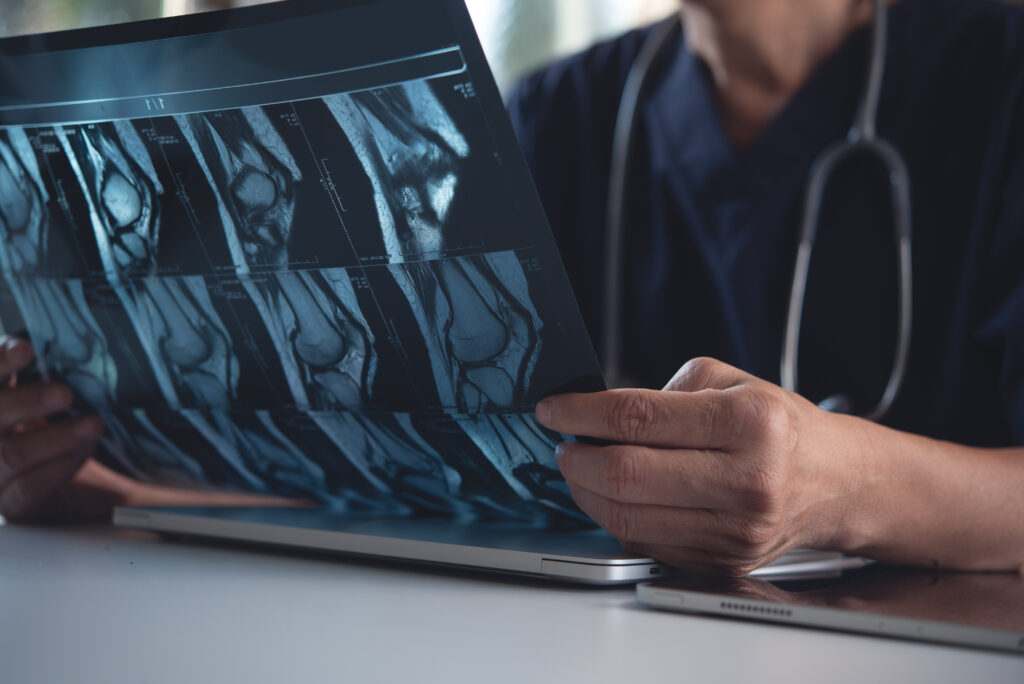
Specialist Care
Dr. Schicker’s role is to help patients understand:
- When peptide therapy may be useful
- When other treatments may be more appropriate
- How different approaches can work together
Patients often value having a clear explanation of these choices, particularly when considering treatments that are less familiar.
Your Next Step
If your recovery is not progressing as expected, or you want to understand whether orthopedic peptide therapy could support your treatment, a consultation can provide clarity.
Patients travel from across the wider North Idaho region to discuss options and develop a plan focused on long term recovery and function.
Q & A
Frequently Asked Questions
There are usually many questions around orthopedic peptide therapy. Some of the most common are answered below.
Costs vary depending on the type of peptides used and the duration of treatment. Dr. Schicker will explain this clearly during your consultation.
Administration depends on the specific peptide and treatment plan. Clear, structured guidance will be provided so patients understand exactly how treatment works.
Peptides are selected based on the condition being treated and the goals of recovery, with a focus on supporting musculoskeletal healing.