
Core Surgical Specialties
North Idaho Fracture Repair Surgeon
When a bone breaks, the question is not simply whether it will heal. The real question is how well it will heal and whether normal movement will return.
Some fractures recover well with simple immobilization. Others require careful alignment and specialist care to prevent long term pain, stiffness, or loss of function.
Dr. Mike Schicker is a fracture repair surgeon serving North Idaho who focuses on early evaluation, precise treatment decisions, and recovery plans that support reliable long term movement.
Dr. Schicker specializes in diagnosing and treating hand and wrist conditions with a focus on precision, practicality, and long term outcomes.
Serving /// Coeur d’Alene, Post Falls, Hayden, Sandpoint
When a fracture should be assessed by a specialist
How It Starts
Immediately after an injury it is often difficult to judge how serious the fracture is. Pain and swelling can mask whether the bone is stable or whether it has shifted out of proper alignment.
Patients Often Seek Help When
Severe pain, bruising, deformity, or an inability to bear weight often signals that the injury may be more than a simple fracture. Many patients seek guidance from a fracture repair surgeon at this point.
Early Specialist Assessment Matters
An early consultation with a fracture repair surgeon provides clarity about treatment and the recovery needed to restore strength and movement.
Looking beyond the broken bone
A fracture rarely affects only the bone itself. The surrounding structures, including muscles, ligaments, tendons, and joints, are often involved in the injury.
Orthopedic specialists are trained to evaluate the entire musculoskeletal system, not just the fracture visible on an X-ray.
During evaluation, Dr. Schicker assesses:
- The pattern and stability of the fracture
- Whether the injury affects the joint surface
- The condition of surrounding tendons and ligaments
- How the injury may affect future mobility
This broader understanding helps guide treatment decisions that protect long term function.
Restoring alignment and stabilizing the injury
Once the injury is understood, the next step is stabilizing the bone so healing can begin safely.
Depending on the injury, stabilization may include:
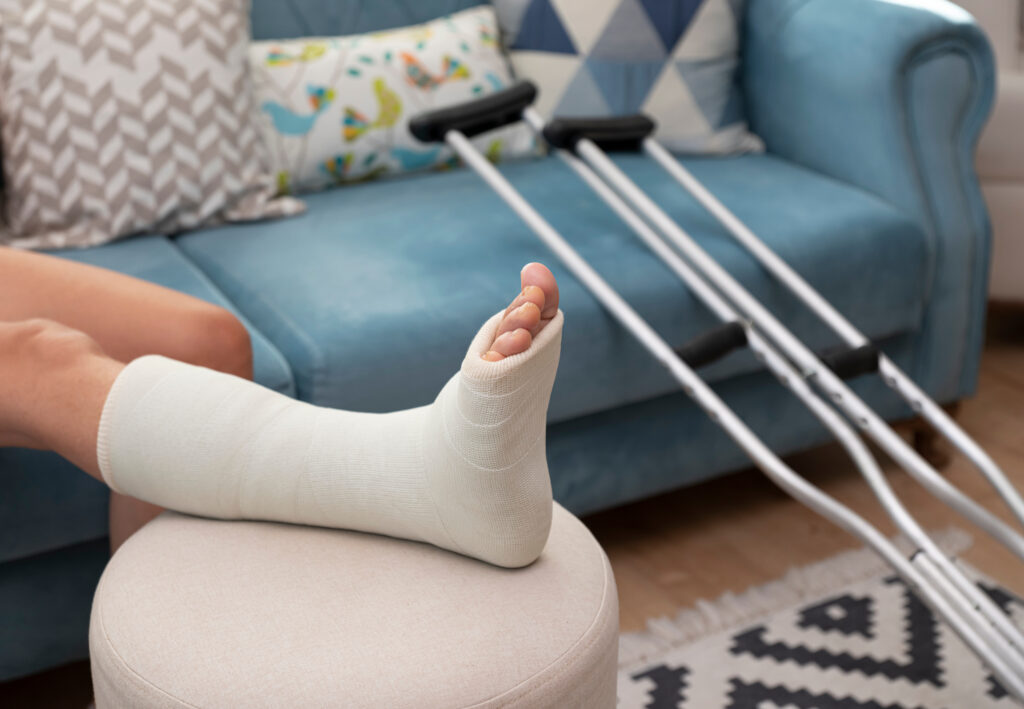
- Casting
- Splinting
- Immobilizers or braces
- Temporary stabilization before surgery
Choosing the correct stabilization method is critical. The goal is to protect the bone while allowing the surrounding tissues to recover and the joint to maintain its natural movement.
When surgical fracture repair is the best solution
Some fractures cannot heal properly without surgical repair. When bones are displaced or unstable, surgery allows them to be aligned precisely and held securely during healing.
Fracture repair surgery may involve the use of:
- Plates and screws
- Pins or rods
- Fixation devices that maintain bone alignment during healing
Dr. Schicker stays current with the latest fracture repair techniques by regularly attending both independent and industry educational programs, including meetings with organizations such as:
- The American Academy of Orthopaedic Surgeons (AAOS)
- The American Osteopathic Academy of Orthopedics (AOAO)
Continuous education ensures that patients benefit from modern surgical techniques and evolving standards of orthopedic care.
Recovery is a team effort
Specialist Care
Successful fracture repair depends not only on treatment of the injury but also on the recovery process that follows.
Healing bones require time, careful rehabilitation, and gradual return to activity.
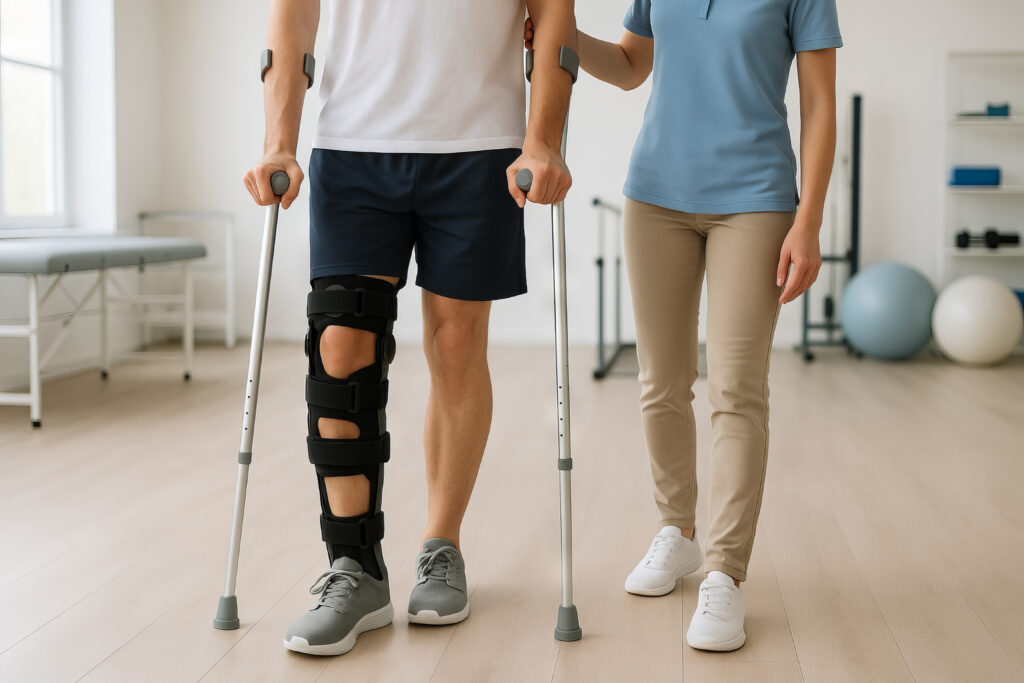
Dr. Schicker works closely with many of the physical therapists throughout the region. By staying in regular communication with therapists, the care team can track progress and adjust rehabilitation plans when needed.
This collaborative approach allows each patient’s recovery to be treated individually rather than following a standard protocol.
The goal is always the same, restoring strength, mobility, and confidence in the injured limb.
Your Next Step
If you have sustained a fracture and are unsure whether specialist care is required, early evaluation can make a significant difference in recovery.
A consultation with Dr. Schicker provides a clear diagnosis and guidance from an experienced fracture repair surgeon serving North Idaho.
Q & A
Frequently Asked Questions
Patients have many and varying questions that are all covered in the course of their consultation. A few of the most common are answered below.
Dr. Schicker provides fracture evaluation and treatment for patients across North Idaho and surrounding communities. Many patients travel from Coeur d’Alene, Post Falls, Sandpoint, and nearby regions for specialist orthopedic care.
If surgical repair is required, procedures are usually performed at Bonner General Health (BGH), the accredited local surgical facilities in the region. The exact location depends on the type of procedure and the facility best suited for the patient’s care.
Ideally within the first few days after the injury. Early evaluation allows the surgeon to determine whether the fracture can heal with immobilization or whether surgical repair may be necessary.
Many patients benefit from rehabilitation to restore strength, flexibility, and normal movement after the bone has healed. Your recovery plan will be coordinated with physical therapists in the region when appropriate.