
Core Surgical Specialties
Experienced Joint Replacement Specialist
Joint pain becomes a problem when it starts changing how you move through daily life. Walking, standing, or climbing stairs begins to feel harder than it should.
At that point the real question is not simply what is causing the pain, but whether the joint can still be preserved or whether replacement may provide a more reliable long term solution.
A careful evaluation helps determine the best path forward.
Serving /// Coeur d’Alene, Post Falls, Hayden, Sandpoint
When Joint Pain May Need Specialist Evaluation
Symptoms Start to Interfere
Persistent pain, stiffness, weakness, or grinding sensations during movement often signal that the joint surface may be wearing down.
When Movement Becomes Limited
Loss of motion, increasing discomfort with walking or standing, and weakness around the joint can indicate that the problem is progressing beyond simple inflammation or strain.
Time to Consider Solutions
An evaluation with Dr. Schicker, an experienced joint replacement specialist, helps determine whether joint replacement may provide the most reliable long term relief.
Understanding what is causing the problem
Joint pain can develop for many reasons, including arthritis, injury, or gradual joint degeneration. Identifying the exact cause allows treatment to be tailored to the individual patient.
Evaluation typically includes:
• A focused physical examination
• A discussion of symptoms and medical history
• Imaging such as X-rays, CT scans, or MRI when needed
This process provides a clear understanding of the condition and helps guide the most appropriate treatment plan.
Treatment options before considering joint replacement
Joint replacement is often highly effective, but it is not always the first step.
Many of Dr. Schicker’s patients benefit from treatments designed to reduce pain and support the joint before surgery becomes necessary.
These options may include:
• Physical therapy to strengthen supporting muscles
• Steroid injections to reduce inflammation
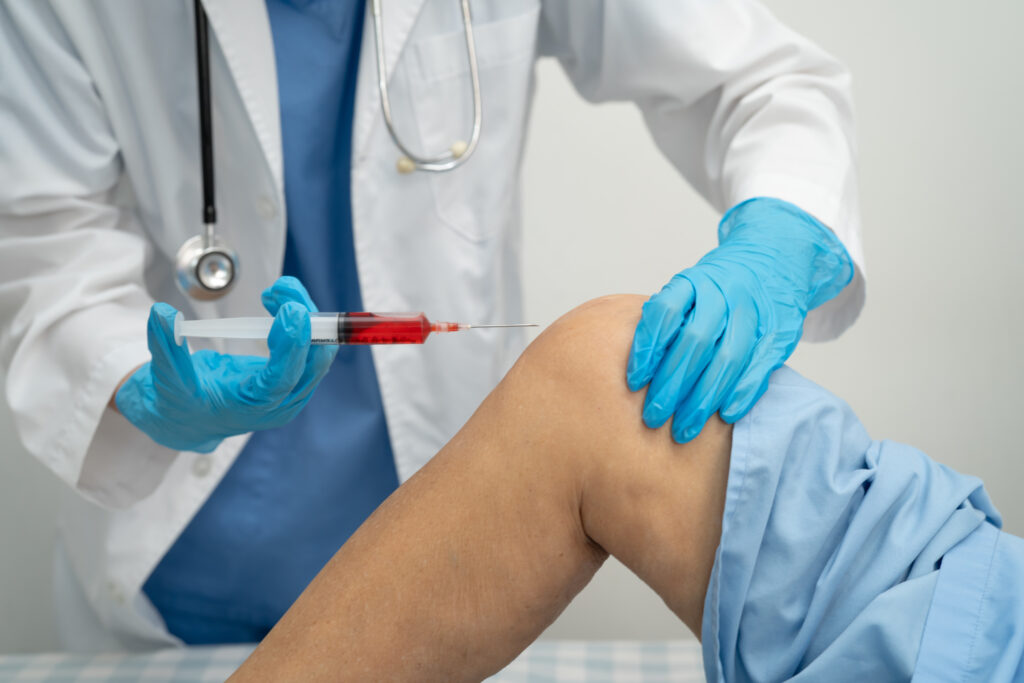
• Joint preservation techniques such as viscosupplementation or PRP
When joint damage becomes advanced and symptoms persist, partial or total joint replacement may provide the most reliable long term improvement.
What joint replacement is designed to achieve
Joint replacement surgery is intended to restore stable, comfortable movement when a damaged joint can no longer function properly.
The goal is to help patients return to the activities they enjoy without constant pain limiting their mobility.
For many patients this means:
• Walking more comfortably
• Regaining strength and joint stability
• Returning to everyday routines
• Enjoying a better quality of life
Dr. Schicker’s careful planning and modern surgical techniques help support these outcomes.
Advanced Joint Replacement Options
Specialist Care
Dr. Schicker offers outpatient joint replacement for appropriate patients, allowing surgery and recovery to begin at home the same day. This approach can reduce hospital stays and support a more comfortable early recovery.
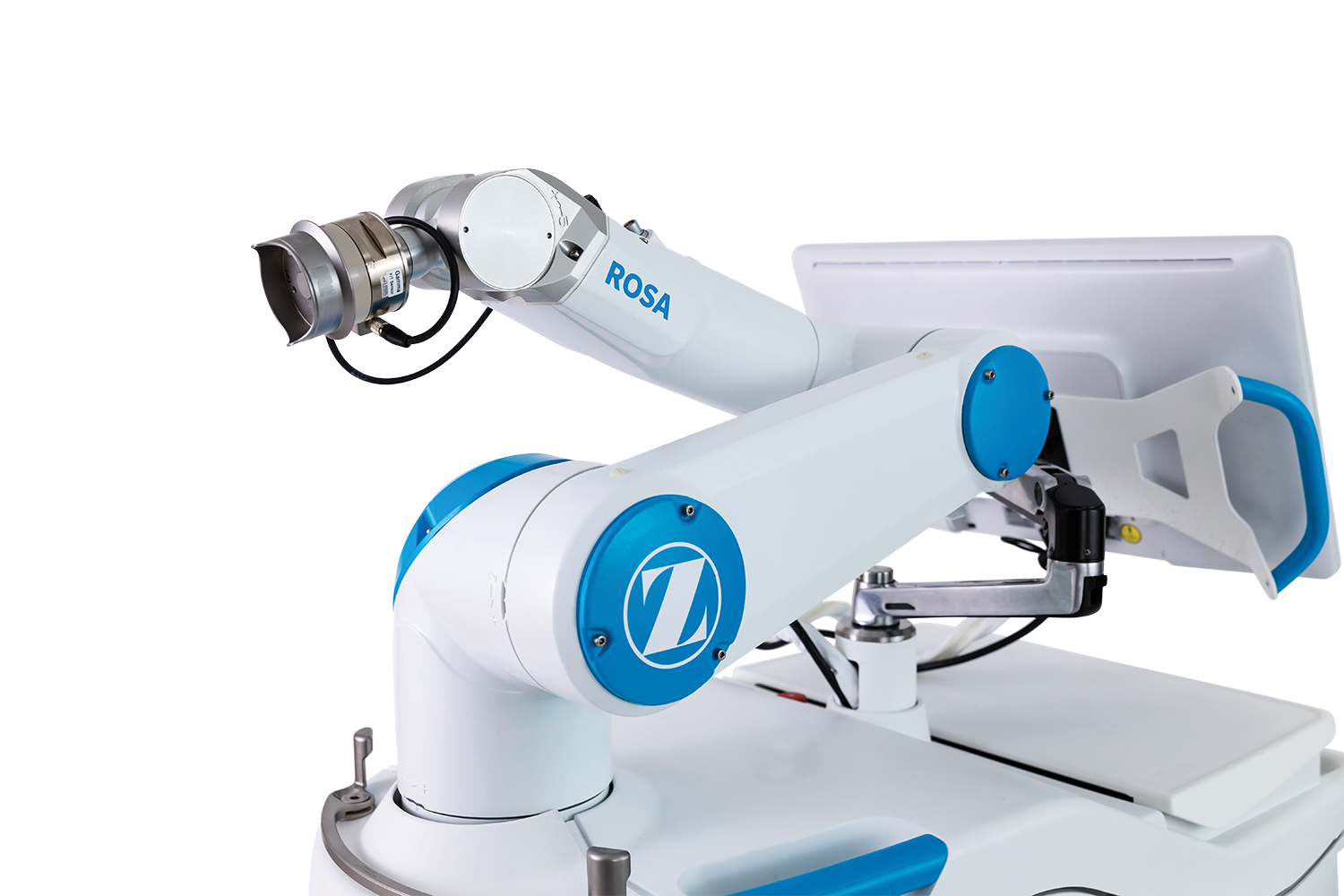
He also performs robotic-assisted total knee replacement, using advanced technology to improve precision, alignment, and consistency, helping support better function and long term outcomes.
Your Next Step
If joint pain is limiting your mobility, a consultation with Dr. Schicker can help clarify your options for treatment and recovery here in North Idaho.
Q & A
Frequently Asked Questions
Dr. Schicker will discuss your concerns in detail during your consultation. In the meantime, there are several commonly asked questions.
Recovery time varies depending on the joint and the individual patient. Many patients begin walking soon after surgery and continue to improve over several weeks as strength and mobility return.
Most patients begin walking with assistance shortly after surgery. Physical therapy helps restore strength and balance while the joint continues to heal.
Timing depends on the diagnosis, overall health, and surgical scheduling. During consultation, Dr. Schicker will discuss the most appropriate timeline for treatment.
Non-surgical treatments may include physical therapy, steroid injections, or joint preservation techniques such as viscosupplementation or PRP.