Core Surgical Specialties
Sports Medicine Surgeon Specializing in the Diagnosis and Treatment of Sports Injuries
Sports injuries are not just about pain. They are about restoring the stability and movement that allow people to stay active.
Dr. Schicker trained extensively in orthopedic surgery before completing an additional fellowship year in sports medicine in Lake Tahoe, focusing on the diagnosis and treatment of complex joint injuries.
Today he treats athletes of all ages, from competitive players to weekend athletes and outdoor enthusiasts, helping them recover from injuries and return safely to the activities they enjoy.
Serving /// Coeur d’Alene, Post Falls, Hayden, Sandpoint
When Sports Injuries Need Specialist Care
Pain Affecting Performance
Athletes and active individuals often notice persistent aching before realizing something more serious may be developing. Overuse injuries can gradually limit strength, mobility, and performance.
When Injuries Become More Severe
Sports injuries can range from strained muscles to ruptured ligaments or torn tendons. When instability, swelling, or sudden loss of function occurs, specialist evaluation helps determine the extent of the injury.
Returning to Activity
An evaluation with a sports medicine surgeon helps determine whether recovery can be achieved through rehabilitation or whether surgical repair is needed to restore stability and movement.
Training focused on complex joint injuries
Sports injuries require a detailed understanding of how joints function under stress.
Dr. Schicker completed a five-year orthopedic residency, with extensive experience in joint replacement and fracture repair, before pursuing an additional fellowship year of sub-specialty training in sports medicine in Lake Tahoe.
This advanced training focuses specifically on diagnosing and treating injuries that affect athletes and active individuals, from ligament reconstruction to tendon repair.
Treatment options based on the injury
Sports injuries can usually be treated successfully without surgery, depending on the severity of the damage and the patient’s personal goals.
Treatment options may include:
- Physical therapy to restore strength and mobility
- Regenerative treatments such as PRP or peptide therapies
- Activity modification during the healing process
When injuries involve significant ligament or tendon damage, surgical repair or reconstruction may provide the most reliable path back to full function.
The timing and type of treatment are always tailored to the individual injury and patient goals.
What successful treatment aims to achieve
Surgery is not about chasing perfection. It is about restoring reliable, pain free use of your hand or wrist so you can get back to daily life with confidence.
For many patients, the goal of sports medicine treatment is simple: returning to the activities they enjoy without pain or instability.
Whether treatment involves rehabilitation, regenerative medicine, or surgery, the focus is on:
- Restoring joint stability
- Recovering strength and mobility
- Preventing long-term joint damage
- Returning safely to sport or activity
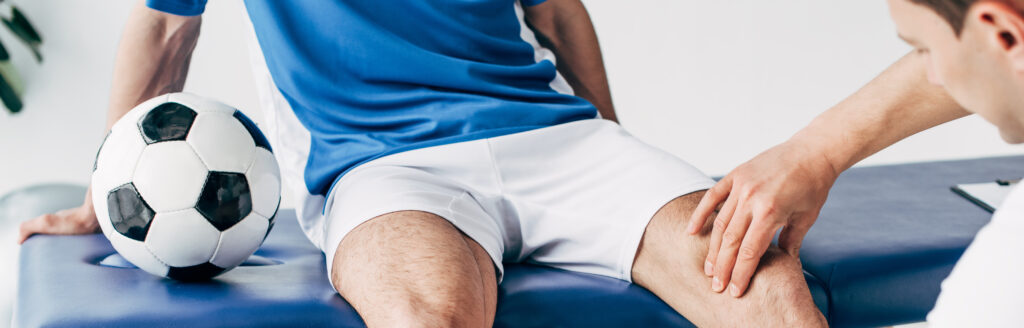
Recovery and rehabilitation
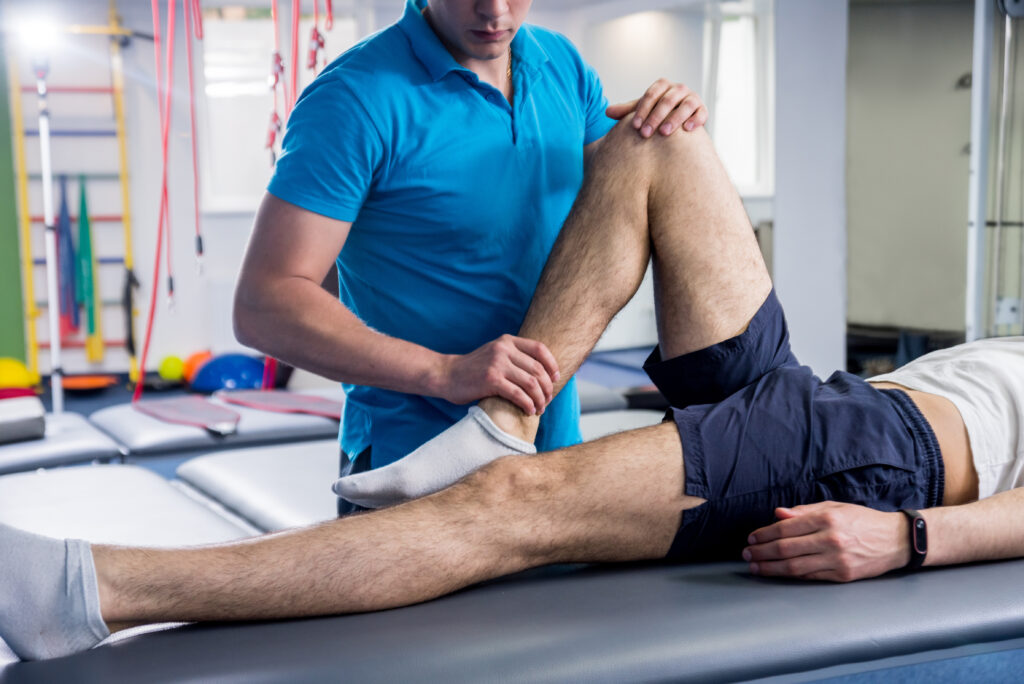
Specialist Care
Recovering from a sports injury is not only about healing the damaged tissue. It is about restoring the strength, stability, and coordination that allow the joint to perform under physical stress.
Dr. Schicker’s treatment plans focus on progressive recovery, rebuilding strength, restoring movement, and gradually returning to activity. The goal is not simply getting back to normal movement, but returning safely to the activities patients enjoy.
Your Next Step
If a sports injury is limiting your movement or preventing you from staying active, an evaluation can help determine the best treatment approach.
A consultation provides guidance on diagnosis, treatment options, and the recovery process needed to return to activity with confidence.
Q & A
Frequently Asked Questions
Got questions? Here are some that we are most often asked by patients.
Patients travel from across North Idaho and surrounding communities for evaluation and treatment. Consultations with Dr. Schicker take place in his clinic based in NIOSM (North Idaho Orthopedic and Sports Medicine) and procedures take place either at POSC (Pend Oreille Surgery Centre) in Ponderay or at Bonner General Health in Sandpoint. Clinic locations and appointment details are provided when scheduling your consultation.
Recovery time varies depending on the injury and treatment approach. Minor injuries may improve with rehabilitation within weeks, while surgical repairs may require a longer recovery period.
No. Many injuries can be treated successfully with physical therapy, activity modification, or regenerative treatments. Surgery is recommended only when it provides the most reliable recovery.
Non-surgical treatment may include physical therapy, PRP injections, regenerative therapies, and structured rehabilitation programs designed to restore strength and joint stability.