Core Surgical Specialties
PRP Orthopedic Treatment to Reduce Pain and Restore Movement
When joint or tendon pain does not settle, patients are often left choosing between continuing to manage symptoms or considering surgery. What many do not realise is that there may be a third option.
PRP orthopedic treatment uses your body’s own healing response to support recovery in damaged joints and soft tissues. The challenge is understanding when it is appropriate and what results to expect.
Dr. Schicker helps patients across North Idaho make sense of these options, explaining where PRP fits within a practical treatment plan designed to reduce pain and restore movement.
Serving /// Coeur d’Alene, Post Falls, Hayden, Sandpoint
When PRP Orthopedic Treatment May Be Considered
Ongoing Symptoms
Joint or tendon pain that does not improve with rest, therapy, or basic treatment may indicate tissue damage that is not resolving on its own.
Patients Want to Avoid Surgery
For many joint and soft tissue conditions, PRP orthopedic treatment can offer a non-surgical option to reduce pain and support healing, particularly in earlier stages of injury.
A Different Approach
PRP orthopedic treatment stimulates the body’s own repair mechanisms. It can be a practical step before considering more invasive treatment.
How PRP supports healing
PRP stands for Platelet Rich Plasma. Platelets are part of your blood that play a key role in healing by signalling the body to repair damaged tissue.
PRP orthopedic treatment concentrates these platelets and delivers them directly to the area of injury.
Dr. Schicker takes time to explain how this process works and whether it is likely to benefit your specific condition, helping you make an informed decision rather than simply trying another treatment.
Conditions that may respond to PRP orthopedic treatment
PRP is commonly used to treat conditions where inflammation and tissue damage are limiting function.
Conditions include:
- Arthritic joints such as the knee, hip, and shoulder
- Tendon injuries including rotator cuff and Achilles tendon
- Tendinopathies such as tennis elbow and patellar tendonitis
- Muscle strains and soft tissue injuries
- Ligament irritation and ankle sprains
Read more about the range of conditions treated with PRP. Patients from Coeur d’Alene, Post Falls, and surrounding communities often explore PRP as a way to stay active without progressing straight to surgery.
What to expect from the procedure
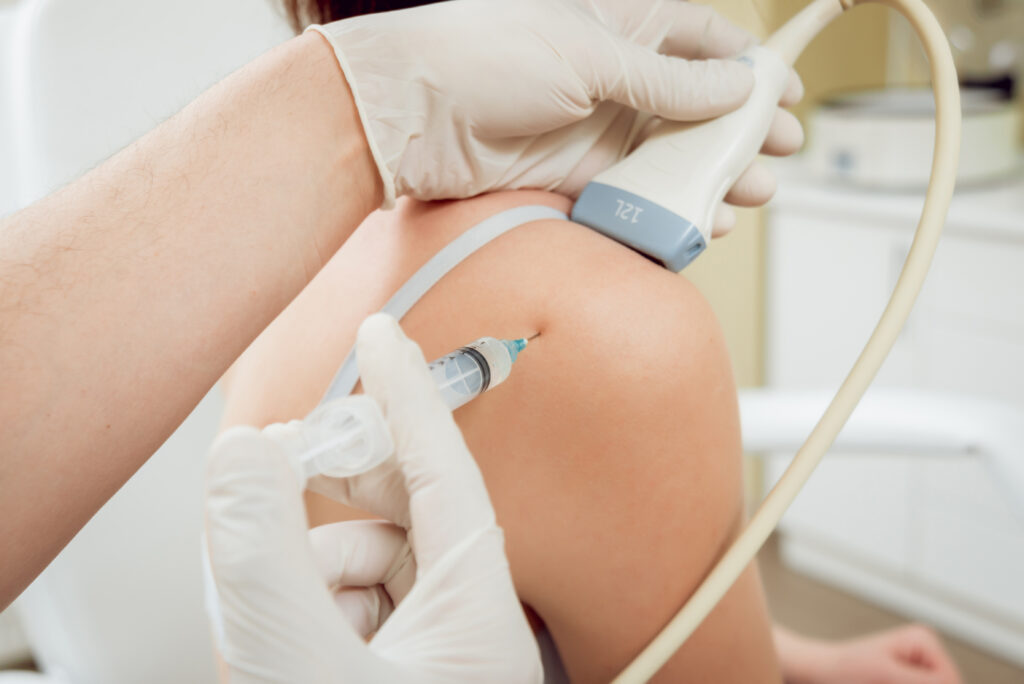
PRP orthopedic treatment is performed in the clinic and typically takes less than twenty minutes.
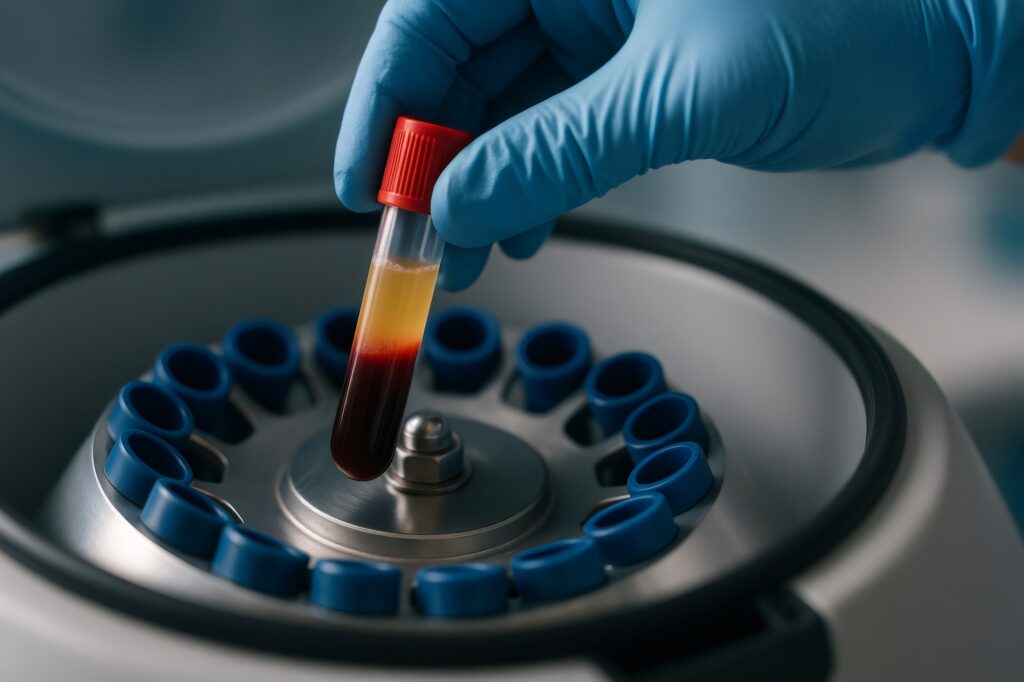
A small sample of blood is taken, processed in a centrifuge to concentrate the platelets, and then injected into the affected area.
Depending on the condition, a series of one to three injections may be recommended.
The process is straightforward, but the decision to use PRP should always be based on a clear understanding of the condition being treated.
What results to expect
PRP orthopedic treatment is designed to support the body’s natural healing response rather than simply mask symptoms.
For the right patients, this may lead to:
- Reduced pain and inflammation
- Improved joint or tendon function
- Delayed progression of joint degeneration
- A return to normal activity without surgery
Results vary, and part of the consultation process is understanding what is realistic for your specific condition.
Making the right treatment decision
Specialist Care
PRP is not the right choice for every condition, and it is not presented as a quick fix.
Dr. Schicker’s approach is to explain when PRP orthopedic treatment is likely to help, when it may not, and how it compares to other options such as physical therapy or surgery. Read more about PRP vs surgery and PRP vs cortisone injections.
This enables patients to answer the question, “am I a good candidate for PRP?” based on a clear understanding of their condition and treatment options.
Your Next Step
If you are dealing with joint or tendon pain and want to understand whether PRP orthopedic treatment is appropriate, a consultation can provide clarity.
Patients travel from across North Idaho to discuss treatment options with Dr. Schicker, who will then develop a plan focused on reducing pain and maintaining an active lifestyle.
Q & A
Frequently Asked Questions
You’ll have an opportunity to ask all your questions during your consultation with Dr. Schicker, but these are some of the most commonly asked.
Costs vary depending on the condition and number of injections required. This is discussed during consultation so you can decide whether PRP is the right option for you.
Most patients experience mild discomfort during the injection. The procedure is brief, and any soreness usually settles within a short period.
Effectiveness depends on the condition and stage of injury. Many patients experience improvement in pain and function, particularly in earlier or moderate cases.
PRP may reduce symptoms and delay the need for surgery, but it does not replace surgery in all cases. It is one option within a broader treatment plan.
In some cases, research shows that PRP treatment can be helpful alongside surgery for conditions such for meniscal damage and rotator cuff injuries.
PRP orthopedic treatment is provided in clinic, with patients travelling from across North Idaho, including Coeur d’Alene, Post Falls, and nearby communities, for evaluation and treatment.
Yes. Many patients combine PRP orthopedic treatment with rehabilitation. Dr. Schicker works with physical therapists throughout the region to support recovery and help patients return to normal activity.
Standalone regenerative services, including PRP injections and peptide therapy, offered to selected patients as non-surgical or supportive treatment options.