
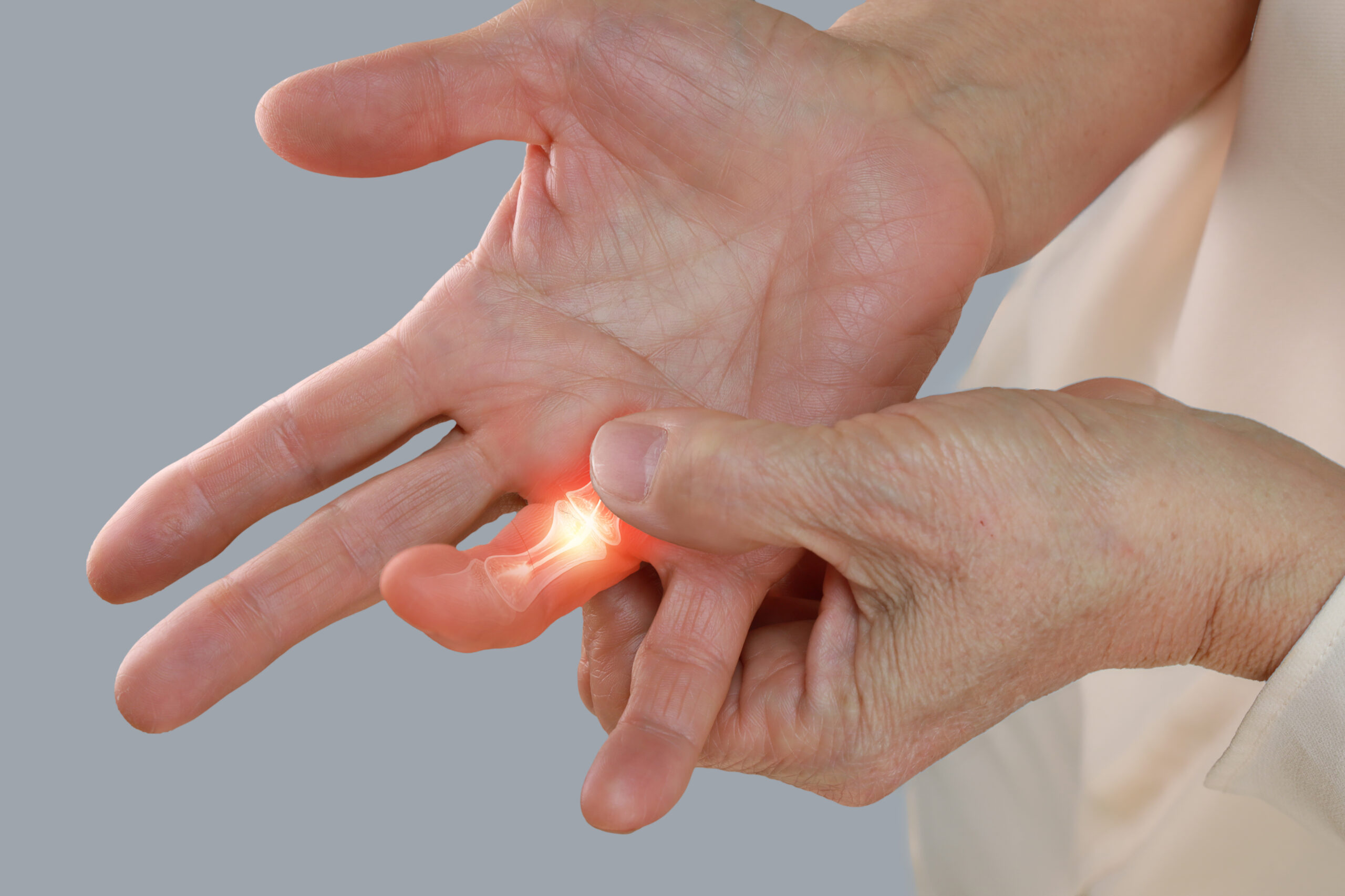
Stenosing tenosynovitis, commonly known as “trigger finger”, can range from a mild case of stiffness, tenderness, or “locking” to a debilitating condition that affects multiple fingers and thumbs on both hands. It’s not uncommon, but because people often tend to adjust their behavior to compensate for a lack of movement, its severity can progress over time if early treatment is not sought, as the underlying issue remains.
Fear or lack of knowledge can make the prospect of a temporary fix over the more invasive surgical option appealing. However, because timing is so critical to the successful treatment of the condition, the more sensible approach is consultation with an orthopedic surgeon as early as possible.
An orthopedic surgeon will assess a patient’s individual situation with regards to the severity and progression of the condition, then offer the most appropriate treatment. In advanced cases, surgery may be the only way forward to restoration of full movement, but for milder cases, a more conservative, non-surgical approach can be highly effective in reducing the inflammation of the tendon sheath, which causes the condition.
For patients in the North Idaho region, Dr. Mike Schicker is the go-to orthopedic surgeon for a range of complex hand problems. His considered, patient-focused approach to arriving at the best possible solution begins with a clear diagnosis based on a physical examination, imaging (when necessary), and extensive consultation to understand how the problem developed and what stage it is currently at.
Diagnosis and Treatment Options for Trigger Finger: Injection vs Surgery
Every case is different, but for anyone experiencing locking or clicking of their fingers that impedes movement or causes pain (even occasionally), early assessment, diagnosis, and treatment of the underlying problem is vital. If left untreated, or managed incorrectly, a locked finger can worsen over time and risk being less responsive to non-invasive solutions. Early diagnosis affords a patient more flexibility with treatment options.
When a patient presents to an orthopedic surgeon with trigger finger, injection vs surgery is the ultimate question. But there are multiple factors that go into deciding on an answer.
Dr. Schicker’s precise, personalized style means he is able to offer every patient an informed, reliable solution to return to a good quality of life, rather than simply check boxes for a temporary workaround.
Non-Invasive Treatment: Corticosteroid Injections
In early or mild cases, a targeted corticosteroid injection can be an effective solution when more conservative methods like stretching, icing, or splinting have not worked.
The injection works by reducing inflammation around the sheath of the tendon, so the tendon itself can move more smoothly and the finger no longer clicks or locks. Significant, gradual improvement can be achieved in a short space of time, with a reduction in pain and a return to movement over a few days.
Factors that Dr. Schicker will consider when deciding whether an injection is appropriate are how long the patient has been suffering from the condition, its severity and frequency, and the patient’s range of movement.
For some people with a mild or early case of locked finger, one corticosteroid injection may resolve the issue entirely, with no recurrence of symptoms. For others, anti-inflammatory treatment may only be a partial or temporary solution, and for them, it may be time to consider surgery as a more predictable and permanent solution.
When Surgery Makes More Sense
Corticosteroid injections may produce a good result initially, but then the patient’s symptoms can return over time. Depending on the level of improvement achieved and the length of time the results have lasted, Dr. Schicker may suggest a second injection. Sometimes, however, continuing with temporary, non-surgical measures is not the most reliable way back to strength and stability if the condition has progressed.
When a patient presents at the initial consultation with an already advanced or severe case of trigger finger, injection vs surgery may be a more clear-cut decision. Where considerable pain is involved and the finger locks more frequently due to advanced thickening of the tendon sheath, a corticosteroid injection is unlikely to be effective. This is the point when trigger finger surgery may become the best option.
The surgery required to treat a locked finger is a reassuringly simple, quick, and highly effective procedure to restore smooth movement. Because it is targeted to the specific site where a thickened tendon sheath creates restriction, it results in complete resolution of the problem. It takes around 15 minutes under local anesthetic as an outpatient, with no pre-op preparation required.
Effective Diagnosis Guides Effective Decisions
Because the associated pain and physical restrictions of trigger finger can escalate over time with incorrect or lack of management of the underlying issue, timely diagnosis and treatment are essential.
Treatment decisions should never be made on a “one-size-fits-all” basis, and in making his initial assessment and then advising the most effective treatment options, Dr. Schicker focuses on a patient’s individual lifestyle, diagnosis, expectations, and health goals. In a calm, unhurried consultation, Dr. Schicker gains a thorough insight into how each patient’s case has developed, to what stage it has advanced, and their desired outcome from treatment.
Whether presenting at an early or advanced stage, Dr. Schicker’s patients are provided with a clear explanation of their condition, and a realistic overview of corticosteroid injection treatment and more permanent surgical management (if required) in the context of their individual situation.
With a deeper understanding of the potential limitations of non-surgical treatment in advanced cases, and clear, jargon-free guidance from Dr. Schicker, patients have the confidence to make an informed decision on the best way for them to:
- prevent further degeneration
- reduce or eliminate pain
- return to smooth, unimpeded long-term function
- restore stability and strength in their hand.
If you’re suffering from trigger finger, an early consultation with Dr. Schicker will explore all treatment options and provide the flexibility to make an informed decision. A definitive diagnosis and assessment of your condition is the best way to achieve the most successful outcome and get back to full movement.